In Early May members of the Barrhead Accessibility Coalition got together with some community members for a Story Telling Workshop. Telling our stories has always been a vital part of every community. Here is our story.
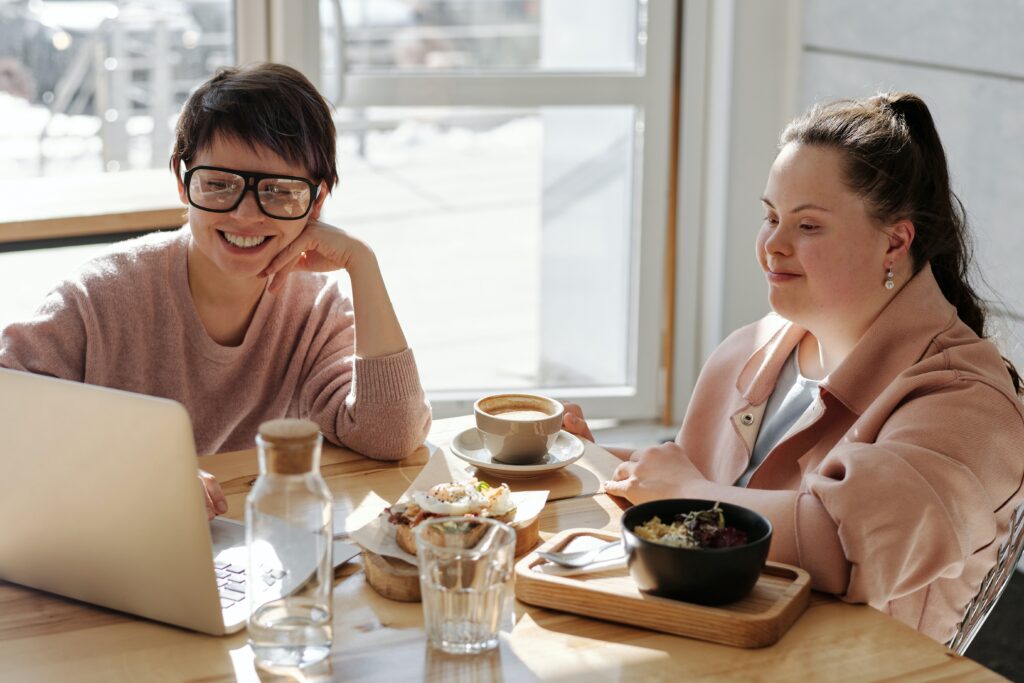
I was having coffee with my friend Emily the other day. We were both working on new projects, and we started talking about how we got to where we are today. It was not that long ago that Emily and I had only seen each other as we went about our day-to-day life in our town.
Back then we had not met Betty or Bob and Mr. Johnson was just another teacher at the high school. The story of Bob and Betty became clearer to us as we talked. We know both Betty and Bob had hearts full of love and dreams as vast as the skies. Her daughter was off at college and still dating Bob. We all lived in the same community but, the world they experienced was not always the kindest, the community they loved sometimes did not love them back.
Betty, with her sunshine smile and a heart full of gold, had mobility needs that were often overlooked by the community. Her trusty wheelchair, which she called “Wheely,” was her constant companion. But oh, the streets and buildings! They were built with little appreciation for her needs. Ramps were scarce, doorways narrow, and stairs – oh, those stairs! – were like jagged mountains that often defeated her. Winters were spent mostly at home looking out the window at piles of snow that blocked every pathway.
Bob was a gentle person with an ocean of emotions. He had faced years of teasing for being different, was often left out of conversations, even those that were about him. It made him feel like he was always a step behind, some how not invited to tells story. His anxieties grew, and feelings of inferiority weighed heavily on his heart. Bob, too, found himself isolated in a world that seemed to move without him and no way to catch up.
But Bob and Betty, they were resilient! They took on each day with courage, even when the world seemed to hold them back. They wanted to be part of their community, but simple tasks like shopping, visiting friends, or even going to the doctor’s office were exhausting and disheartening.
Bob and Betty could not help but feel a twinge of sadness, as if the town they loved so dearly did not love them back. It was not that the townsfolk were mean or cruel; they simply did not know any different. They all had their own things going on. They had never seen the world through Bob or Betty’s eyes and were unaware of the challenges they faced. It was like they were consumed with their own challenges. It was this unawareness that created an invisible barrier between them and the community they cherished.
As Bob and Betty journeyed through life, they crossed paths with many caring townspeople who took the time to listen. People recognized Bob and Bettys struggles from personal experience or from those they knew. They often talked about the value of inclusion and an accessible hometown. They were determined to help Bob and Betty find their rightful place within the community.
One such person was Ms. Emily, my coffee partner and the owner of the local bookstore. She put down her coffee cup and told me of a time when she noticed Betty’s difficulty navigating the narrow aisles and that was what led her to rearrange her store, making it more wheelchair friendly. She added a simple ramp at the main door to make it easier for Betty. Emily said she was surprised how many people commented on the ramp as time went by. Ms. Emily’s kind gesture made Betty feel welcomed, and she was finally able to explore the world of books with ease.
Another compassionate townsperson was Mr. Johnson, he was the schoolteacher. He had seen how Bob was often excluded from conversations with his peers and made it his mission to create a supportive environment for him. Mr. Johnson encouraged Bob’s classmates to slow down and be more patient, promoting understanding and empathy among the young minds. This helped Bob feel more included and appreciated for the amazing person he was.
These acts of kindness did not go unnoticed, and they began to create ripples of change throughout the town. Other townspeople started to realize that they, too, could make a difference by taking small steps to create a more inclusive and welcoming environment for all. There were many others, besides Bob and Betty that seemed to be left out and unnoticed.
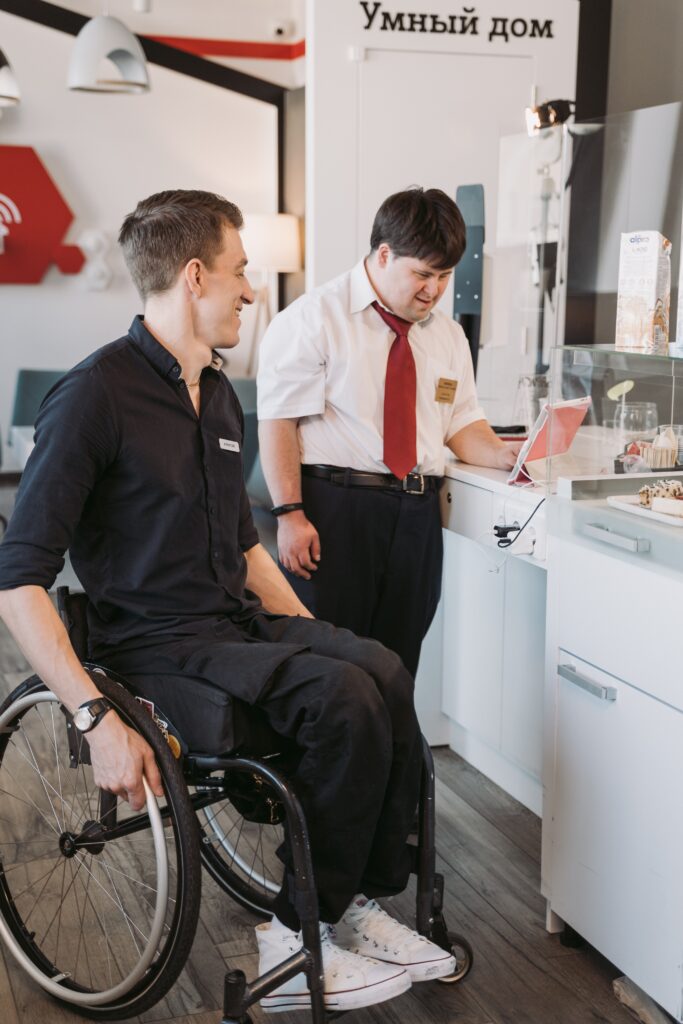
During this time, a bright and spirited young woman named Sarah entered Bob’s life. Sarah and Bob first met at an event organized by the local accessibility coalition, where they discovered their shared passion for creating a more inclusive community. Sarah’s grandmother, Emilie’s mom, faced similar mobility challenges as Betty, which had inspired Sarah to become more involved in improving accessibility and inclusion in the community.
As fate would have it, Betty and Bob were not the only ones who had personal connections to the cause. Ms. Emily’s love for inclusivity was deeply rooted in her experience as a single parent to a daughter who was blind. This had taught Ms. Emily the importance of empathy and understanding in creating an inclusive world for everyone. Oh ya, I forgot to mention that Sarah was legally blind.
Meanwhile, Mr. Johnson had always admired the resilience of his elderly neighbour, who struggled with keeping his yard due to his age and health. This experience had shown Mr. Johnson the power of lending a helping hand and the value of making the world more accessible for all.
As the connections between these kindred spirits deepened, they joined up with the local accessibility coalition, working together to raise awareness and drive change within the community. There were people who were already working to make the community a more inclusive and accessible place. They all liked that idea. With Bob and Sarah’s budding romance as a symbol of hope and unity, the group of advocates became a shining example of love and determination.
Together, we organized events, workshops, and campaigns to educate our neighbours about the importance of accessibility and inclusion. Our collective efforts slowly but surely helped transformed the community, turning it into a place where everyone could feel welcome, regardless of their unique challenges.
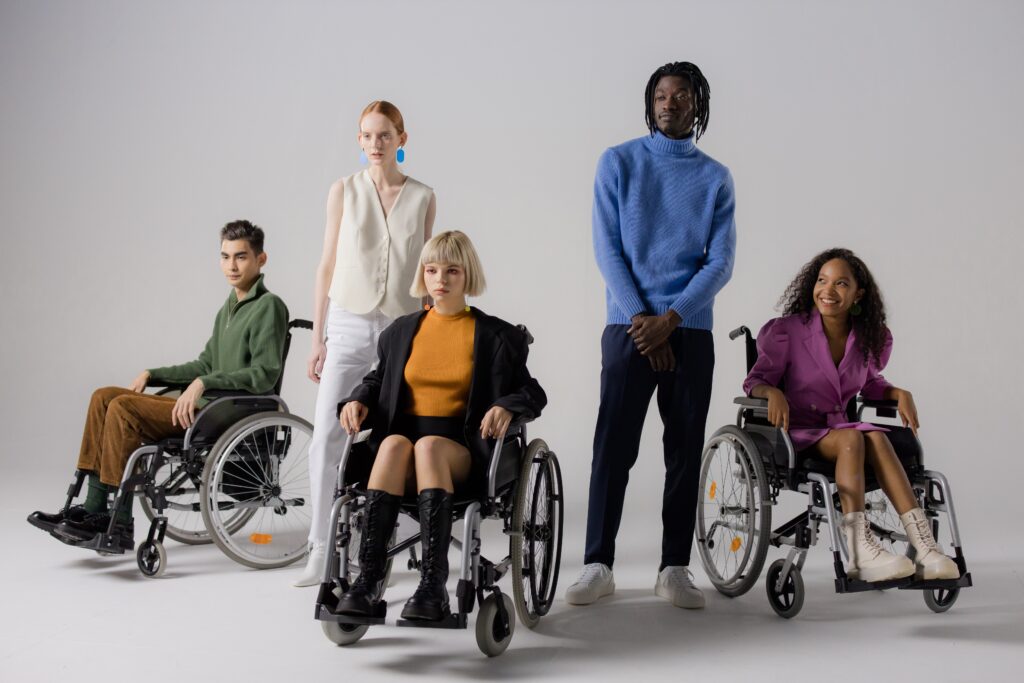
As the town began to embrace these changes, Bob, Betty, Sarah, their families, friends, and their allies found comfort in knowing that their hard work and dedication were making a lasting impact. The once isolating and unaccommodating environment evolved into a warm and supportive community, where love, respect, dignity, empathy, and resilience thrived, creating a brighter future for everyone.
It was nice to spend time with a friend and talk about the extraordinary journey of Bob, Betty, Sarah, and their allies, and we could not help but feel inspired again by their determination and the transformative power of their collective efforts. It became clear that the heart of an inclusive community is recognizing that everyone, in one way or another, experiences challenges and struggles with unmet needs. This realization struck a chord within us, we now understand that fostering a truly inclusive environment requires acknowledging and addressing the diverse needs and strengths of everyone in the community.
Driven by a newfound sense of purpose, Emily and I decided to take an active role in creating a more inclusive world. We recognized that the power to change lives not just within those who face challenges, but within every individual who seeks to make a difference. With that in mind, we both remembered when we joined the local accessibility coalition, eager to contribute to the cause.
I continue my journey for change by sharing Bob, Betty, and Sarah’s inspiring story with anyone who will listen, highlighting the universal nature of meeting needs and the importance of coming together to create an inclusive world. Together we volunteered in organizing events, supporting each other, and raising funds for accessibility projects, we have seen change because of ours and other peoples’ efforts.
This journey serves as a reminder to us all that the power to create a more inclusive world lies within every one of us. By recognizing our communities’ diverse needs, skills, and strengths we can build a more just, compassionate, and connected society where no one is left behind. And in doing so, we can ensure that everyone can live a fulfilling and meaningful life.
The story of Bob and Betty is not one of despair, but one of hope and courage, which points out the undeniable strength of the human spirit. As they continue to navigate the world around them, they remind us of the power of resilience and the importance of creating a more inclusive and accessible community for everyone. Who knows? One day soon, more towns will change for the better.
Emily and I finished our coffee, and we were off to help plan the next event.
The National AccessAbility Week starts May 28 and May 31st is Red Shirt Day. This week is dedicated to promoting awareness, support, and inclusivity for people with disabilities. It serves as a powerful reminder that we can all be allies in creating a world where no one is left out. Now is your chance to be part of this stories next chapters.
On May 31st, wear a red shirt to show your support and solidarity with the disability community. This simple gesture can spark conversations, raise awareness, and help break down the barriers that keep people from feeling included.
But do not stop there! Consider joining our local accessibility coalition or advocate for inclusive changes in your own community.
Whether it is by raising awareness, volunteering your time, or supporting local initiatives, every action counts towards making our world more accessible and welcoming for everyone.
Together, we can create a future where our communities continue to grow, evolve, and embrace the beautiful diversity of human experiences. Let us join together and strive for a world where everyone feels valued, supported, and included. Wear your red shirt with pride on May 31st and remember that you too can be a powerful ally in the journey towards a more inclusive society.
